Quick answer
An online business line of credit is a revolving limit you can draw on through a web dashboard or app, repay and draw again. You pay for what you use plus any facility fees. In New Zealand, limits for trading businesses are usually set from bank data and turnover. It suits uneven cash flow, seasonal gaps and unpredictable costs better than a one-off lump-sum loan.
Key points
- Draw, repay and draw again up to an approved limit
- Managed online: drawdowns, balances and repayments in one dashboard
- Best for uneven cash flow and timing gaps, not long-term purchases
- Check facility, drawdown and line fees, not just usage costs
Most business cash problems are timing problems. The money is coming; it just is not here yet. A lump-sum loan is a blunt tool for that. An online line of credit is a sharper one: a standing limit you dip into when a gap opens and pay down when the money arrives, all from a dashboard.
How does an online line of credit work?
Once approved, you have a credit limit — say $60,000. Through the provider’s website or app you request a drawdown of any amount up to the limit. Funds are paid to your business account. You repay that draw, usually by automatic debit over an agreed period, and as you repay, the available limit refills. You can draw again whenever you need.
You generally pay costs only on the amount drawn, plus any facility fees. That is the key difference from a lump-sum loan, where you pay for the full amount from day one whether you need it all or not.
What does the online dashboard show?
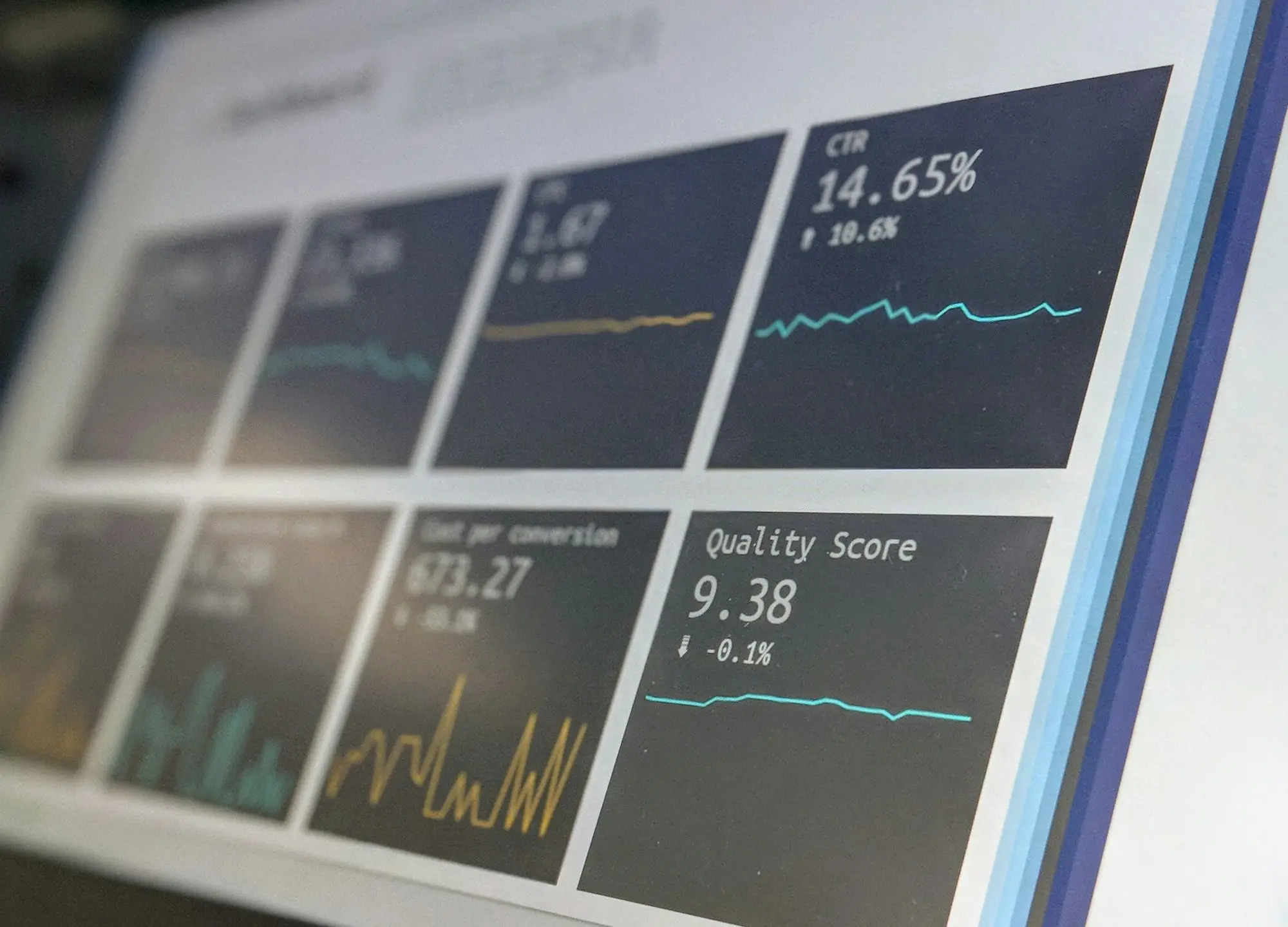
A good line-of-credit dashboard puts everything in one place:
- your limit, balance owed and available funds;
- each drawdown with its own repayment schedule;
- upcoming debit dates;
- a button to request a new draw;
- statements and documents.
That visibility is the point of an online facility. You should always know what you owe and what you can access, without phoning anyone.
Who suits a line of credit?
| Situation | Line of credit? |
|---|---|
| Seasonal business with a predictable slow patch | Strong fit |
| Contractor waiting 30 to 60 days for progress payments | Strong fit |
| Retailer buying stock ahead of peak, sold within weeks | Good fit |
| Provisional tax or GST instalment landing in a thin month | Good fit |
| Buying premises or a long-life asset | Poor fit — use a term loan |
| Covering ongoing losses | Poor fit — fix the underlying issue first |
If your need is a single, one-off purchase, an online unsecured loan may be simpler. If your gap is specifically unpaid invoices, online invoice finance may unlock more.
How is the limit set?
Much like unsecured lending: from bank data, turnover, existing commitments, trading history and, once you proceed, a credit check. A business with steady monthly deposits and a decent buffer will usually be offered a higher limit than one whose account regularly runs dry. Sharing data through open banking makes the assessment faster and refreshes easier when you want a limit review.
Want to see what limit might be realistic? Send a quick enquiry and ask for a line of credit.
Which costs should you check?
Because lines of credit have several moving parts, costs can hide in corners. Ask for each of these in dollars:
- Establishment fee — charged when the facility is set up.
- Line or facility fee — charged on the limit, sometimes whether you use it or not.
- Drawdown fee — charged each time you draw.
- Cost of funds drawn — what you pay on the drawn balance over the repayment period.
- Early repayment terms — whether repaying a draw early saves you money.
Then model a realistic year. If you expect to draw $30,000 three times and repay each over twelve weeks, ask the provider to show the total cost of that pattern. Our total cost guide explains how to compare.
What are the risks?
The biggest one is that a revolving limit can quietly become permanent debt. If the balance never really comes down, you are paying for credit to fund the business’s everyday running, and that usually signals a deeper cash-flow or margin issue. Set yourself a rule — for example, the balance must be cleared to zero at least once every few months — and review it if that stops happening.
Worked example (illustrative): a Queenstown tour operator has a $50,000 online line of credit. In the shoulder season she draws $25,000 to cover wages and vehicle servicing, then repays it from peak-season bookings. By midwinter the balance is back to zero and the limit sits unused until it is needed again.
Can you have a line of credit and a loan at the same time?
Yes, many businesses do: a term loan for a long-life asset and a line of credit for working capital. Lenders will look at the combined repayments, so mention any existing facilities in your enquiry.
How do you request a drawdown?
Typically you log into the dashboard, enter the amount, confirm the receiving account and submit. Some providers require a reason or a quick confirmation by phone for larger draws. Funds are then paid to your nominated business account. Because drawdowns move money, protect the dashboard login with two-factor authentication and treat any email asking you to “confirm a drawdown” or “update the receiving account” with suspicion. Genuine requests start with you, inside the dashboard.
What happens at review time?
Many facilities are reviewed periodically. The provider may refresh your bank data, look at how you have used the line and adjust the limit. Steady use with regular repayments tends to support the limit or an increase. A balance that never falls, or missed repayments, may lead to a reduction. Treat review time as a chance to ask for changes that suit your pattern better.
Start online in about a minute
Our enquiry asks what you need and why, takes roughly 60 seconds and runs no credit check. It stays with one team instead of being broadcast to a crowd of lenders, and a real person reads it before calling. Tell us about your seasonal patterns and existing facilities so the limit we discuss is one you can use comfortably. See if you qualify for a line of credit.
Frequently asked questions
How is a line of credit different from an overdraft?
Both are revolving. A bank overdraft is attached to your transaction account. An online line of credit is usually a separate facility you draw from into your account, often with its own dashboard and repayment schedule for each draw.
Do I pay anything if I do not use it?
Some facilities charge a line or facility fee even when unused. Ask for every fee in dollars before you sign.
How fast can I draw funds?
Once the facility is set up, drawdowns are often processed quickly, sometimes the same day, depending on the provider and the time of the request.
Can the limit change?
Yes. Limits can be reviewed up or down, often using fresh bank data. Some providers review periodically.
What can I use it for?
Business purposes only — stock, wages during a gap, supplier payments, tax instalments or unexpected repairs.